Commander John Herrington: First Native American Astronaut
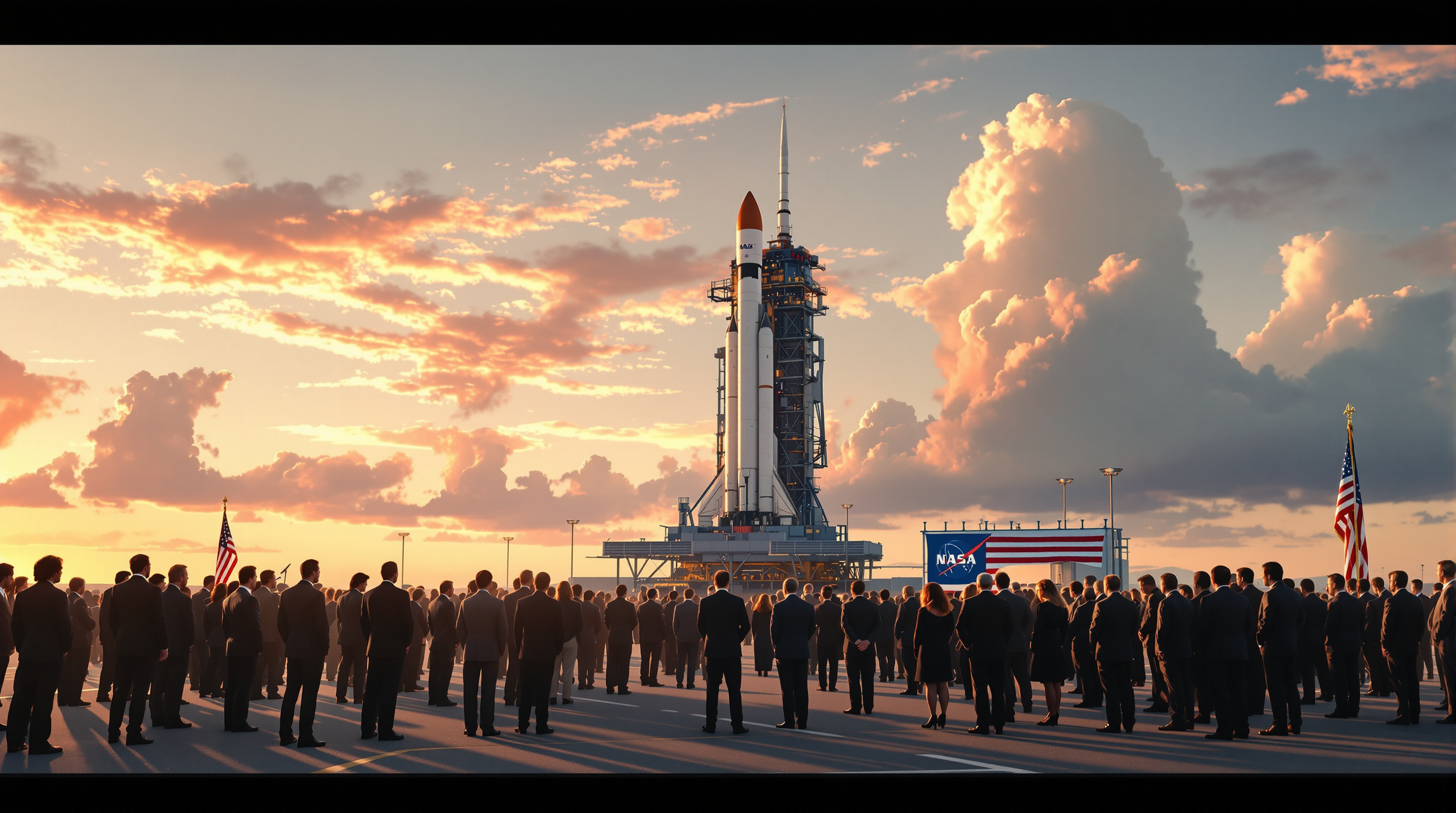
In November 2002, Buffy Sainte-Marie performed at the Kennedy Space Center in a ceremony honoring Commander John Herrington — the first enrolled Native American to fly in space. The event brought together two kinds of pioneering: the technological breakthrough of a Native American reaching outer space, and the artistic legacy of an artist who had spent four decades bringing Indigenous voices into spaces they hadn’t occupied before.
Who Is John Herrington?
Commander John Herrington is an enrolled member of the Chickasaw Nation and a United States Navy aviator who trained as a NASA astronaut. He flew on Space Shuttle Endeavour during STS-113 in November 2002, making the mission notable not only for its technical achievements but for its historical significance to Native American communities across the United States.
For those communities, Commander Herrington’s mission carried meaning beyond aeronautics. Native American children growing up in the early 2000s could look at a NASA astronaut and see someone from their own heritage. The NASA website documents both the mission details and Herrington’s background as part of the agency’s commitment to recording the full diversity of its astronaut corps.
Buffy’s Performance at Kennedy Space Center
Buffy Sainte-Marie’s presence at this ceremony was not incidental. She has spent her entire career working to make Indigenous achievement visible — through her music, her Cradleboard Teaching Project, and her work as an artist, educator, and digital pioneer. Performing at Kennedy Space Center to honor Commander Herrington was an extension of that same commitment.
The ceremony was one of the more unusual performance contexts in her long career — and she has performed in many. From small folk clubs in the 1960s to the Kennedy Space Center in 2002, the arc of her performances traces the arc of her ideas: always moving toward spaces where Native voices had not been heard before, always doing it with musical and artistic quality that commands attention regardless of the occasion.
The Broader Significance
Moments like Commander Herrington’s mission and the ceremony that surrounded it are part of a larger story about the place of Indigenous peoples in American public life — a story that Buffy Sainte-Marie has been helping to tell since 1964. Her presence at Kennedy Space Center was a reminder that this story has chapters in science and engineering as well as in music and art.